By Scott Klumb
In the world of education, we need to have more inclusion and representation in early and higher education. We have made great strides in improving disability education and inclusivity through K-12, but we still have a long way to go. Creating space to educate others on disability is imperative to making sure people have a better understanding of the disabled community. This can be done through the academic setting as well as other creative avenues.
As an autistic person with Central Auditory Processing Disorder (CAPD), not only did I struggle academically in a traditional school setting, but socially too, as I was bullied for most of my life. The bullying began in preschool and continued throughout my entire education. I was scared to go to school because of the bullying, and I was also nervous to share it with my family or my teachers. I didn’t want the school officials to intervene due to fear that the bullies would pick on me even more.
When I was pursuing higher education, it was going well, and most of my teachers were very accommodating and accepting of wearing a microphone that would allow me to process everything they were saying while I wore a headset. But one semester, I went up to my new instructor showing her my accommodation paperwork, which included wearing a microphone for my CAPD. She looked at me and said, “you don’t honestly expect me to wear that, do you?” Then she laughed at me and looked at the classroom and said, “don’t you all think I speak loud enough?” The class then began to laugh with her. This humiliated me in front of a large classroom and made me feel awful as a human being. I went home in tears and called my parents about it. We then reported it to my film school, and the teacher was fired. It is illegal to not follow state accommodations, and I was honestly in shock that I would come across someone that would question me. I feel for any other disabled person who has gone through something similar because we should never have to feel bad for being a disabled human being.
Looking back at my experience, I believe that if public and private schools beginning at the preschool level focused on the inclusion of the disabled community into their traditional curriculum, that disabled people would be more normalized. I believe that it would result in fewer instances of bullying towards disabled people in an academic setting. This can be as simple as reading stories to young children that include characters who are disabled, to inviting people with various disabilities to volunteer directly in the classroom or have them read to the children during story hour. Allowing the schools to create a community that is inclusive to everyone will ultimately create more acceptance and inclusivity for disabled children. It is important to teach that there is a wide range of disabilities, and that not all disabilities are visible. The majority of people that meet me can’t imagine that I have a disability. One of the biggest struggles for someone like myself who is autistic is that it is an invisible disability.
Going into school, whether it is for early or higher education, can be scary because people can be quick to judge. People think they are complimenting me by saying, “you don’t look autistic” but the thing is, autism is a spectrum and doesn’t have a look. This can be extremely dismissive and anxiety provoking because someone should never have to explain why or how they are disabled because of another person’s ignorance. According to the Centers for Disease Control and Prevention, about 1 in 4 adults in the United States have some sort of disability. Because of this significant number, we need to be more open to teaching kids and young adults about disabilities as well as having fair representation that disabled people can go to school comfortably knowing that they will not be judged or bullied for being “different.”
We as society have been doing a good job of educating the disabled community so that they can reach their full potential, which should be the goal for all human beings. In Colorado, there are schools like TACT and the Temple Grandin School that are specifically focused on this goal for autistic people. Last Fall, I taught filmmaking at TACT (Teach Autism Community Trades). I was told by many teachers there that they have never seen the students so engaged. I think part of this was because the students knew I was also autistic and that we were able to connect on another level with our shared experiences. The students learned a lot and TACT will most likely have me back to teach again.
Educating people about disability doesn’t just have to just be in the school setting. A creative way to do this is through film. Films like Crip Camp and CODA are excellent for exposing students to the disabled world. Crip Camp shows how far we’ve come since the 1970s and how we can continue to push forward today. There are many disabled filmmakers who can speak to their films and do panels in a classroom through Zoom or in person.
I personally have a passion for filmmaking, and I love to educate people through my documentary work. I began by making my film called Autism: One Man’s Journey, which was a story about my life. My goal was to help educate people on the autistic experience as well as give others hope for fighting through the extreme struggles of mental health. My therapist, who is an autism specialist, always says that he learns about autism from the real experts, his clients who experience it every single day.
It is important that we as a society can continue finding ways to normalize disability which can be the first step to acceptance. We can make sure that we are creating safe environments in the school setting to educate children about the disabled community to help prevent bullying. We can also use creative avenues to help others learn about disabilities in the hopes of creating a more inclusive world.
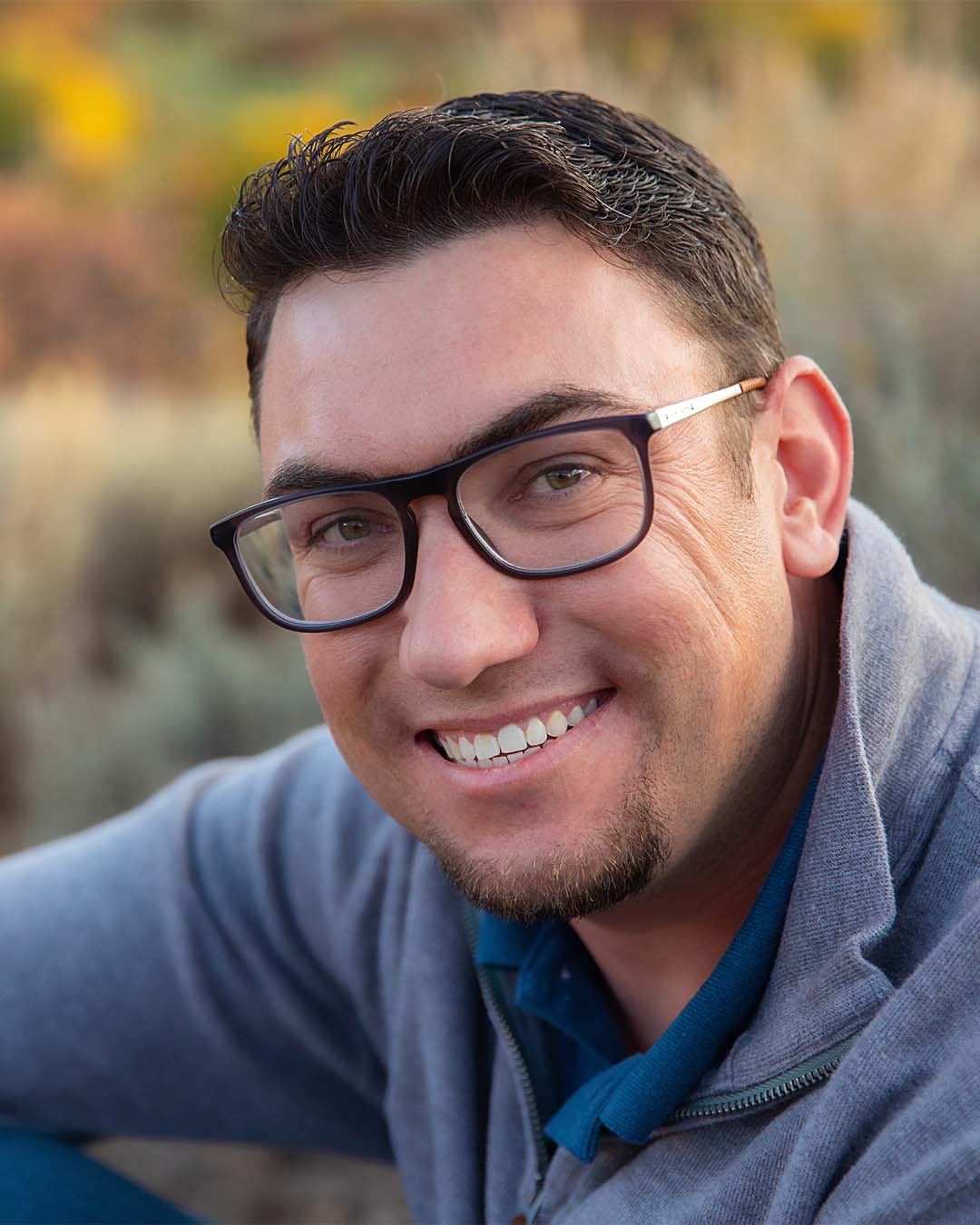
Scott Klumb is an award-winning filmmaker. He is a storyteller, cinematographer, and editor, knowledgeable in a wide array of film styles, including documentary, where he creates artistic films with meaningful stories to captivate his audience. Scott has found a passion for filmmaking, pursuing his talent both professionally and in his free time. Scott’s films have been in dozens of festivals across the world. The notoriety has been encouraging, but Scott’s primary focus is to encourage others and continue his growth as a filmmaker.
- Tags: Accessibility, Adults, Advocacy, Autism, Education, autism, autistic, disability, disability education for kids, disabled filmmaker, Education, filmmaker